





Coniogramme emeiensis — Care Sheet
Common name: Mount Emei Bamboo Fern / Golden Zebra Fern
Botanical name: Coniogramme emeiensis
Family: Pteridaceae
Type: Terrestrial, clump-forming fern
🌿 About the Plant
Coniogramme emeiensis is a rare and highly ornamental terrestrial fern native to southern and central China, with its range extending into northwestern Myanmar. In nature it grows in broad-leaved forests and other shaded locations, generally at 600–1,800 m elevation.
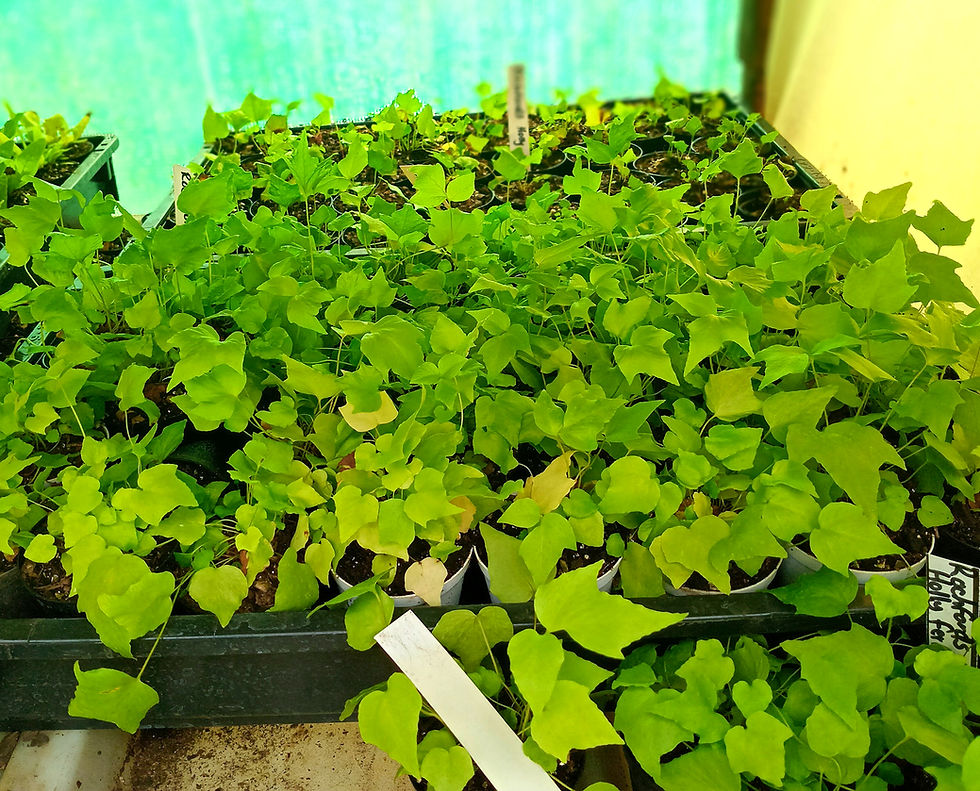
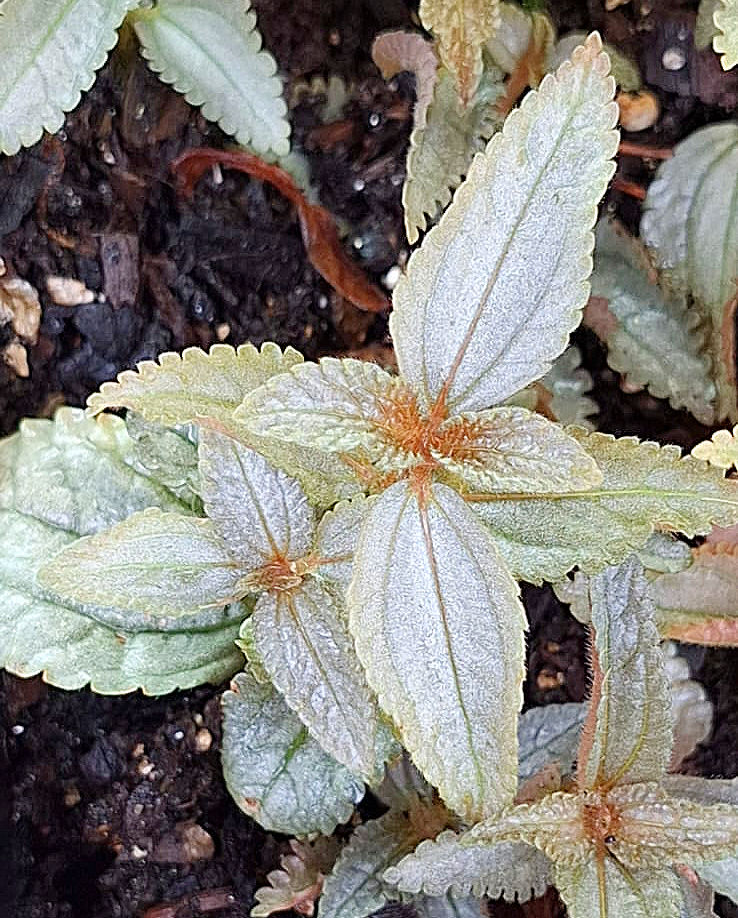
It produces large, elegant fronds and can eventually reach around 1–1.5 m tall under good conditions. Some plants develop distinctive yellow-green striping along the veins, giving rise to the attractive "Golden Zebra" description.
☀️ Light
Bright indirect light to partial shade.
Avoid strong direct afternoon sunlight, particularly in hot climates.
Ideal locations include:
- Shaded greenhouse or tunnel
- Bright indoor position away from direct sun
- Shaded patio
- Woodland-style planting
- Large terrarium or vivarium while young
It is a woodland fern, so filtered light rather than deep darkness produces the best growth.
💧 Watering
Keep the growing medium evenly moist, but never permanently waterlogged.
Water thoroughly and allow excess water to drain away. Do not allow the plant to dry out completely for extended periods.
The species naturally grows in moist woodland habitats, while cultivated guidance recommends a medium that is moist but free-draining.
Important: Moist does not mean swampy. Constantly saturated, poorly aerated soil can damage the rhizome and roots.
💦 Humidity
Moderate to high humidity is beneficial.
Aim for approximately 60–90% RH where practical, particularly for young plants and plants recently moved from propagation conditions.
Good ventilation is important at high humidity.
🌱 Growing Medium
Use a rich, organic, moisture-retentive but well-draining substrate.
A good general-purpose mix would be:
- Fine pine bark
- Peat or coco-based material
- Perlite/pumice
- Quality compost or leaf mould
The finished mix should hold moisture without becoming compacted.
A slightly acidic to neutral medium is suitable; RHS specifically recommends acid to neutral, moist but well-drained soil.
🌡️ Temperature
This is where C. emeiensis differs from many tropical ferns.
It comes from temperate/submontane areas, rather than lowland tropical forest.
It therefore appreciates moderate temperatures and can tolerate considerably cooler conditions than many popular houseplant ferns.
For active cultivation:
Ideal: approximately 15–25°C
Protect young plants from prolonged extreme heat. Cultivation sources specifically warn that the plant dislikes high temperatures and drying conditions.
For Pretoria conditions, summer heat is likely to be a bigger challenge than winter cold. Keep it shaded, well watered and well ventilated during hot weather.
🌿 Feeding
Feed lightly during active growth.
Use a dilute, balanced fertiliser approximately every 3–4 weeks during periods of active growth.
Do not heavily fertilise. Excessive salts can damage fern roots and produce brown leaf margins.
✂️ Pruning
Very little pruning is necessary.
Remove old, dead or badly damaged fronds at the base using clean scissors.
Do not remove healthy green fronds simply to encourage new growth.
🪴 Repotting
Repot when the root/rhizome system has substantially filled the container or the substrate has begun to break down.
Use a pot with excellent drainage.
Do not bury the crown or rhizome deeply. Keep the growing point close to the surface.
🌱 Propagation
Established plants can be propagated by division of the rhizome/clump. This is the most practical method for maintaining a particular plant's characteristics. RHS lists division as the recommended propagation method.
Propagation from spores is also possible, but is considerably slower and requires the appropriate fern propagation conditions.
🐛 Pests & Problems
The species is generally considered relatively trouble-free.
Brown/crispy fronds
Usually associated with excessive heat, drying out, low humidity or strong sunlight.
Yellowing leaves
Can occur from excessive moisture, poor drainage, root stress or nutritional problems.
Black/soft rhizome or crown
Usually indicates excessive moisture combined with poor aeration.
Bleached or scorched foliage
Usually caused by excessive direct sunlight.
⭐ Special Note for South African Growers
Coniogramme emeiensis should not be treated like a tropical bog fern.
Its natural habitat is shaded, moist woodland at relatively high elevations, and the species is adapted to cooler conditions than many tropical ferns.
In hot areas such as Gauteng, concentrate on:
Shade + moisture + good airflow + protection from extreme summer heat.
Do not compensate for excessive heat by keeping the substrate permanently saturated.
📋 Quick Care Guide
Light: Bright indirect / partial shade
Water: Keep consistently moist
Humidity: 60–90% preferred
Temperature: Best around 15–25°C
Soil: Rich, organic, moisture-retentive but well drained
pH: Acidic to neutral
Growth: Clump-forming terrestrial fern
Mature size: Approximately 0.5–1.5 m
Propagation: Division; spores possible
Difficulty: Moderate
Best feature: Striking yellow-green venation and large elegant fronds 🌿
A genuinely unusual fern for collectors — and definitely not just another Boston fern.