




Philodendron White Princess – Pink Variegation
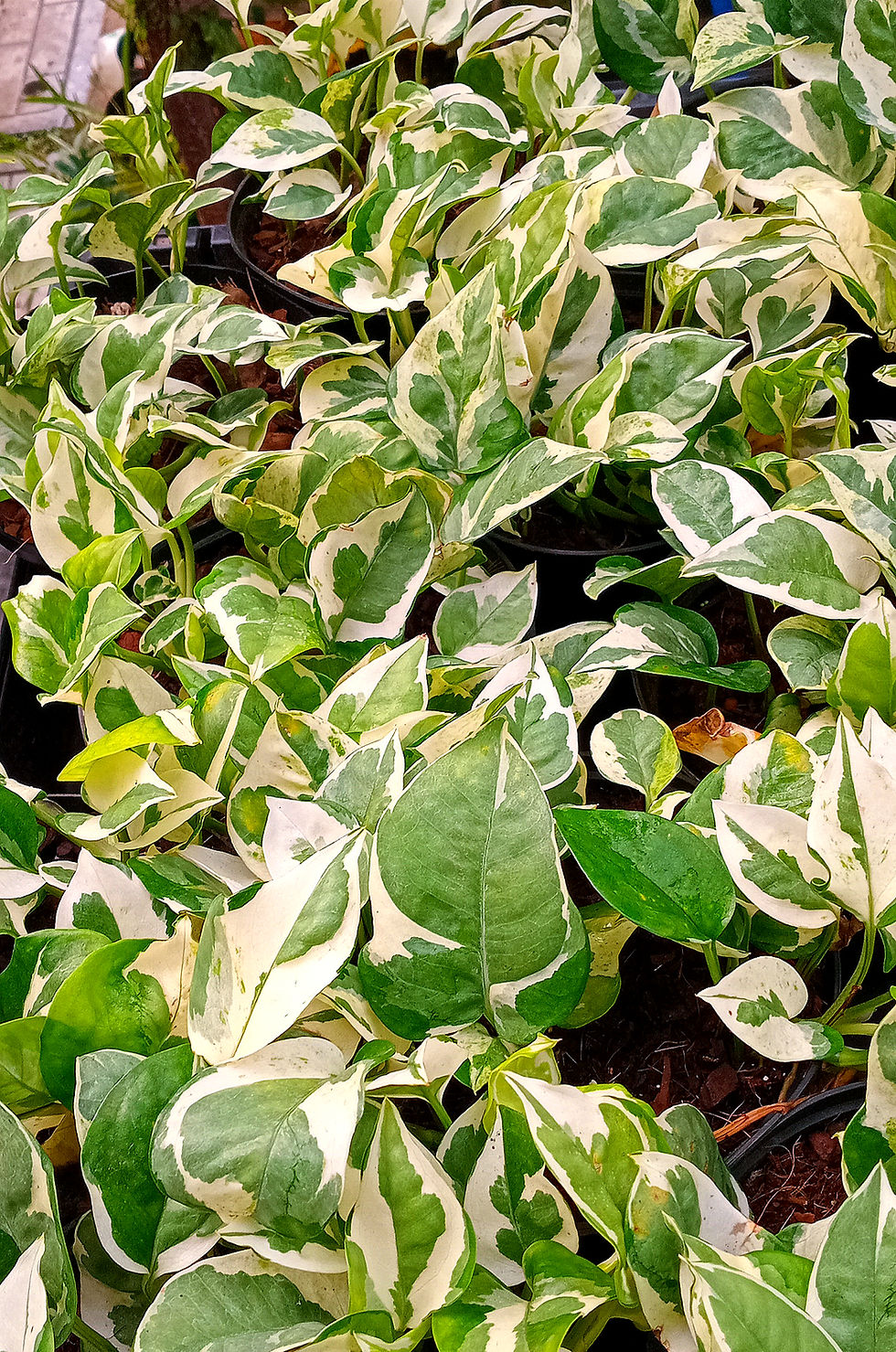
You will receive the plant in the Picture
Philodendron White Princess – Pink Variegation is a RARE striking variegated Philodendron displaying a combination of green, white and pink colouring. The amount and pattern of pink can vary considerably from leaf to leaf, making each plant unique.
☀️ LIGHT
Give your White Princess bright, indirect light. Good light is particularly important for variegated plants because the white and pink sections contain less chlorophyll and contribute less to photosynthesis.
A few hours of gentle morning sun can be beneficial, but avoid strong, direct midday or afternoon sun, which can scorch the lighter sections.
Too little light can result in greener, weaker growth and reduced variegation.
💧 WATERING
Water thoroughly when the upper layer of the growing medium has dried out.
The plant prefers an evenly moist root environment but does not like constantly wet or waterlogged soil. Allow excess water to drain freely and never leave the pot standing in water.
How quickly it dries will depend on temperature, pot size, plant size and growing medium, so water according to the plant rather than a fixed calendar.
🪴 SOIL
Use a loose, chunky, well-draining aroid mix that provides both moisture retention and plenty of air around the roots.
A suitable mix can contain:
- Coco peat or quality potting mix
- Orchid bark
- Perlite or pumice
Avoid heavy, compacted soil, as poor aeration greatly increases the risk of root problems.
💦 HUMIDITY
White Princess grows well in moderate to high humidity. Around 50–70% relative humidity is a good target, although established plants can adapt to normal household conditions.
Good airflow is important, particularly when humidity is high.
🌡️ TEMPERATURE
Keep warm and avoid cold conditions.
Ideal: approximately 18–28°C.
Protect the plant from cold draughts, sudden temperature drops and prolonged temperatures below approximately 15°C.
🌱 FERTILISING
Feed during active growth with a complete, balanced fertiliser at an appropriate dilution.
Variegated plants still require good nutrition to produce healthy new growth, but fertiliser cannot create or force pink variegation. Light and the plant's genetics are the main factors determining the variegation expressed in new leaves.
🌸 MAINTAINING THE PINK VARIEGATION
The pink and white sections contain less chlorophyll than the green portions, so the plant relies heavily on its green tissue to produce energy.
Provide:
Good light + healthy roots + consistent growing conditions.
The amount of pink can naturally change from leaf to leaf. A heavily pink leaf does not guarantee that every future leaf will have the same amount of pink.
Do not assume that a green leaf means the plant is permanently losing its variegation. Continue providing good conditions and monitor subsequent growth.
✂️ PRUNING & PROPAGATION
Propagation is normally done from stem cuttings containing a healthy node.
When pruning, retain sections with good variegation if you want to encourage similarly variegated growth. Avoid taking cuttings from leaf tissue alone, as a leaf without a viable node cannot produce a new plant.
⚠️ COMMON PROBLEMS
Yellow leaves: Often associated with excessive moisture, poor drainage or root problems.
Brown/bleached patches: May result from excessive direct sunlight, low humidity or environmental stress.
Mostly green new leaves: Often associated with insufficient light, although variegation can naturally vary between leaves.
Root rot: Usually caused by prolonged waterlogging or a poorly aerated growing medium.
🐾 IMPORTANT
Like other Philodendrons, this plant contains calcium oxalate crystals and is toxic if chewed or ingested. Keep away from pets and children.
⭐ REMEMBER
This plant is not difficult to grow.
Give it good light, an airy growing medium, sensible watering and warmth — then let it grow.
The pink is the bonus. 🌸